

Bariatric Living Aids
Bariatric living aids are specialised products created to help larger people preserve mobility. They consist of a series of walking frames, rollators, walking canes and crutches.
It is suggested that the exact same brand/type of bariatric equipment be available for use throughout units/programs to enable familiarity and lower delays in patient care.
Walking Aids
Walking aids are equipment that are recommended by your physio therapist to maintain mobility and independence when you can not totally bear weight on one or both of your legs due to injury, surgery or pain. A physio therapist will assess you and choose and fit the most appropriate strolling aid for your needs thinking about your height, weight, health care plan and risk aspects.
There is a large variety of walking aids from a basic single point walking cane to more complex rollators and bariatric forearm walkers. All of these aids can be personalized with different manages, bases (e.g. quad sticks, wider bases), adaptations and functions to match your particular needs.
A systematic review of studies taking a look at the results of strolling aids on activity and involvement was carried out using medical, musculoskeletal and occupational therapy databases. An overall of thirteen research studies were included and examined according to their methodological quality. The results showed that walking aids worked in making it possible for individuals with handicaps to continue their normal activities, including work and leisure, by reducing the quantity of help they needed to do this.
Nevertheless, it is essential to keep in mind that not everybody will accept the use of a strolling help. Some might feel a sense of loss of independence or worry that they will look frail. It is essential that therapists deal with these issues and highlight the safety and functional benefits of the walking help.
In addition, this research study found that self-reported walking limitations of a few blocks or an objectively specified mobility deficit were connected with fewer actions each day and fewer high cadence minutes. These outcomes strengthen the value of resolving pain and other health-related barriers to walking, particularly in midlife and older grownups. The most typical reasons for these strolling restrictions were BMI, older age, lower earnings and greater bodily discomfort. These findings recommend that a multidisciplinary approach to therapy for increased walking can have positive effect on both functional results and lifestyle.
Rollators
A bariatric rollator uses additional assistance for people who may require a little bit more stability while walking or have concerns with balance. These four-wheeled mobility aids are usually created to hold clients weighing as much as 500 pounds or more. They include a tough frame made with heavy-duty products for sturdiness and have the ability to withstand the additional weight that features bariatric patients.
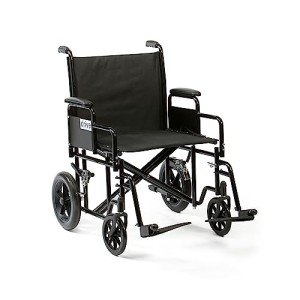
If lightweight bariatric wheelchair have a condition such as arthritis, multiple sclerosis, or Parkinson's disease, a rollator can assist minimize the strain on your joints and muscles while strolling. In truth, a research study of patients with Parkinson's illness found that those who used a rollator experienced lower falls and injuries than those who did not use one. This is since utilizing a rollator helps minimize the quantity of energy it takes to stroll, allowing you to take in more oxygen and minimize pain in your legs and hips.
Unlike standard rollators, a bariatric model has a seat and a crossbar for back support to offer more stability while sitting. Numerous bariatric designs are likewise developed with locking brakes to make sure security while seated, and they have durable wheels for mobility on various types of surfaces. Some are even equipped with baskets and notches to make it simpler to carry products.
The secret to picking the best bariatric rollator for your needs is understanding the weight capacity. This is necessary not just for safety, however also to avoid the equipment from becoming harmed or used down due to excess weight. Standard rollators are typically evaluated to support approximately 250-350 pounds, but you ought to look for a model with a higher weight capacity if you require it.
It's crucial to keep in mind that a rollator is not implied for riding, and you should never rest on it for extended periods of time. It can become unsteady and trigger you to fall, so you need to always keep a chair, walking stick, or crutches nearby in case you need them. It's likewise best to keep a pal or household member with you when using a rollator to make certain they can help if required.
Walking canes
The most basic of all strolling aids, the walking stick is used by patients who need help with balance and stability. It's a good idea to get a physical therapist or physician's recommendation before purchasing a walking stick considering that a cane not fit for your needs might trigger added stress and stress on your body. You'll also require to understand how to utilize the walking stick properly to prevent new injuries and re-injury.
The most common type of cane is the single-point walking stick. It has a suggestion that reaches the ground and a handle at the top. Typically, you ought to hold the cane in the hand opposite the leg that's hurt or weakest. It's likewise essential to look forward when you stroll instead of down at your feet. Your elbow ought to be a little bent when you hold the cane's manage.
If you need a cane to climb up stairs, make certain the walking cane is held in the hand that's opposite your injured leg which you take each step initially with your injured leg. After the foot is down, then you can raise your other upper hand to complete the action. This prevents you from putting too much weight on your hurt leg and it helps to keep you balanced.
Another alternative is a center balance cane, which has one point of contact with the flooring and a flat and larger handle. This cane is easy to grip and allows you to position more pressure on it when standing up or sitting down. This is the finest choice if you're transitioning far from using a walker.
If you desire to purchase a walking stick for bariatric living, your physician or physical therapist will have the ability to recommend a brand that's ranked for your particular weight. You can also purchase canes at numerous drug stores and medical supply shops. You can typically discover canes with different manage types, consisting of a rubber tip for extra traction on a lot of surface areas. It's a great idea to check the pointer on your cane daily and change it when required. If the tip ends up being worn or stiff, you can find replacement pointers at the majority of drug stores and medical supply shops.
Crutches
Crutches are the easiest and most typical kind of walking aid. They are easy to find out to use and are reasonably economical. Nevertheless, they can trigger problems if not utilized properly. Your medical professional will supply a pair of crutches and teach you how to use them safely. They are usually readily available from medical supply shops and can also be bought nonprescription at some drug stores.
Using the right size crutches is essential. The top of the crutches should be about two finger widths listed below your underarm. Make sure the hand grips are at hip level and that your elbows are a little bent when you hold them. You must never ever put any weight through the manages but only through your arms and hands. Leaning on your armpits with the crutches can harm the shoulder joints and nerves and likewise tire you out faster than just using your hands.
A physiotherapist is an essential member of your healthcare group who will teach you how to utilize the crutches. You can find one at your regional hospital, rehabilitation center or personal practice. They will guarantee the crutches are sized properly for you and reveal you how to effectively utilize them.
You should always use shoes with rubber or non-skid soles when using crutches. You need to also inspect the suggestion or tips of your crutches daily and replace them if they are worn. Keep the crutches far from water and avoid stepping on them in bath tubs, showers or sinks.
Stairs are among the most difficult parts of utilizing crutches. You need to stand at the top of the stairs and get your balance before moving. Then, move the crutches to fulfill your recovering leg and step down slowly. Remember to keep the hand rails nearby for assistance and don't let your crutches slip.
It may spend some time to get the hang of using crutches however they can increase your mobility and self-reliance while your injury heals. With perseverance and mindful usage, you ought to have the ability to return to your regular routine with little issue.